



Understanding Luck in Gambling
Luck is a prevalent notion in the world of gambling, particularly in casinos where players often find themselves at the mercy of chance. Many believe that luck can dictate their success or failure, especially in games like slot machines and roulette, where the outcomes are fundamentally determined by random events. In such scenarios, skill may play a minor role, but many players attribute their fortunes to luck and discover more about strategies that might enhance their chances. This perception can significantly shape their overall experience and approach to gambling, with some players convinced that luck is the main driver behind their wins or losses.
The belief in luck often manifests in various superstitions and rituals that players adopt in hopes of influencing their gaming outcomes. These might include wearing “lucky” clothing, carrying specific charms, or performing certain actions before placing bets. Such behaviors reflect an emotional connection to the idea of luck, as players seek to feel empowered in a situation largely governed by randomness. However, it is essential to understand that while these rituals may provide psychological comfort, they do not alter the inherent probabilities of the games being played.
While luck is undeniably a factor in many casino games, it is crucial to view it in the context of a broader framework. Research indicates that while players may enjoy winning streaks, these occurrences are often the result of random chance rather than any sustained advantage. Over time, the statistical probabilities associated with each game will assert themselves, leading to outcomes that align more closely with the expected odds. Thus, while luck can create thrilling moments and significant wins, it remains an ephemeral aspect of the gambling experience, ultimately overshadowed by the mathematics of the games.
The Role of Randomness and Probability
At the core of every casino game lies the principles of randomness and probability. Each game is designed with a specific set of odds that dictate the likelihood of various outcomes. For instance, in blackjack, while players can influence the game through strategic decision-making, the underlying probabilities still govern the expected results. Familiarizing oneself with these probabilities can demystify the concept of luck, revealing that while it may lead to short-term successes, long-term results hinge on a solid understanding of game mechanics and strategies.
Different casino games exhibit varying ratios of skill to luck. In poker, for instance, players must employ considerable skill and strategic thinking to succeed, although the role of luck—especially regarding card distribution—should not be underestimated. Conversely, games like slots are predominantly driven by chance, with each spin’s outcome being independent of prior results. This distinction is vital for players aiming to understand how luck influences their casino experiences and outcomes.

Moreover, technological advancements have led to the implementation of Random Number Generators (RNGs) in electronic gaming machines. These algorithms ensure that each game’s outcome is unpredictable and fair. Players may experience streaks of wins or losses, but these events are ultimately rooted in chance, reinforcing the notion that while luck plays a role in gambling, it is fundamentally governed by randomness dictated by the mechanics of the games themselves.
The Psychological Aspect of Luck
The psychological dimensions of luck significantly shape players’ experiences in casinos. Many individuals attribute victories to good luck and losses to unfavorable luck, creating a narrative that influences their future betting behaviors. This belief can lead to the gambler’s fallacy, where players think past outcomes affect future results. For example, after a string of losses, a player might feel “due” for a win, prompting them to increase their bets in hopes of regaining lost ground, which can result in deeper financial losses.
Furthermore, the perception of luck can evoke a wide range of emotions. Winning can lead to euphoria, while losses can trigger frustration or disappointment. These emotional states can substantially impact players’ decision-making processes, often leading them to make impulsive bets based on temporary feelings rather than strategic considerations. This cyclical relationship between luck and emotion can foster habits that do not necessarily align with optimal gaming practices.
By recognizing the psychological aspects of luck, players can cultivate a more balanced mindset towards gambling. Instead of relying solely on luck, they can focus on developing skills, strategies, and effective bankroll management. Accepting that luck is a natural element of the gaming experience while also understanding the importance of discipline and skill can lead to healthier gambling habits and a more enjoyable overall experience at the casino.
Luck Versus Skill: Finding the Balance
The interplay between luck and skill is a central theme in discussions around casino outcomes. Players must discern which games are primarily chance-based and which require a more skillful approach. In games like baccarat and slots, players have little control over results, leaving them reliant on luck. In contrast, games such as poker or blackjack allow players to employ strategies that can significantly enhance their winning potential.
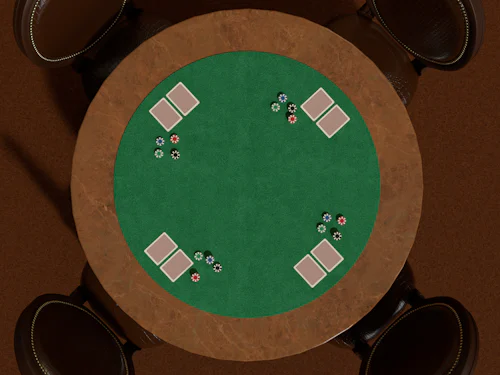
Understanding this balance is crucial for setting realistic expectations before entering a casino. Recognizing that luck is a variable that can fluctuate from session to session can help players maintain a level of composure and clarity. Many seasoned gamblers navigate this balance by combining strategic skills with an acceptance of luck’s role, viewing each gaming session as part of a larger narrative rather than a discrete event. This perspective fosters a more sustainable approach to gambling, enabling players to enjoy their time while managing risks more effectively.
Ultimately, successful gambling depends on grasping the relationship between luck and skill. Players are encouraged to refine their skills and develop effective strategies while remaining open to the unpredictable nature of luck. This balance can lead to a more fulfilling gambling experience, characterized not only by significant wins but also by a deeper appreciation for the games and the skills involved.
Exploring Further on Luck and Outcomes
The discussion surrounding the impact of luck on casino outcomes is intricate, intertwining elements of chance, strategy, and psychology. Players who engage with their favorite games with a comprehensive understanding of how luck interplays with skill can significantly enhance their gaming experiences. Those who approach gambling with informed perspectives are more likely to find enjoyment, regardless of the results.
Moreover, embracing responsible gambling practices can nurture a healthier relationship with luck and the uncertainties inherent in casino games. Players who acknowledge luck’s role while maintaining control over their gambling behavior can mitigate the adverse effects often associated with excessive play. Striking this balance is vital to ensure that gaming remains an entertaining activity rather than a source of stress or anxiety.
For those eager to delve deeper into the fascinating dynamics of luck and gambling, exploring various strategies and insights can provide a richer understanding of how luck can be approached analytically. Engaging with resources that offer knowledge about different games, alongside an appreciation of the role of luck, can enhance one’s overall gambling experience, paving the way for both enjoyment and responsible gaming practices.